
Libanesische Tapenade
Product Description
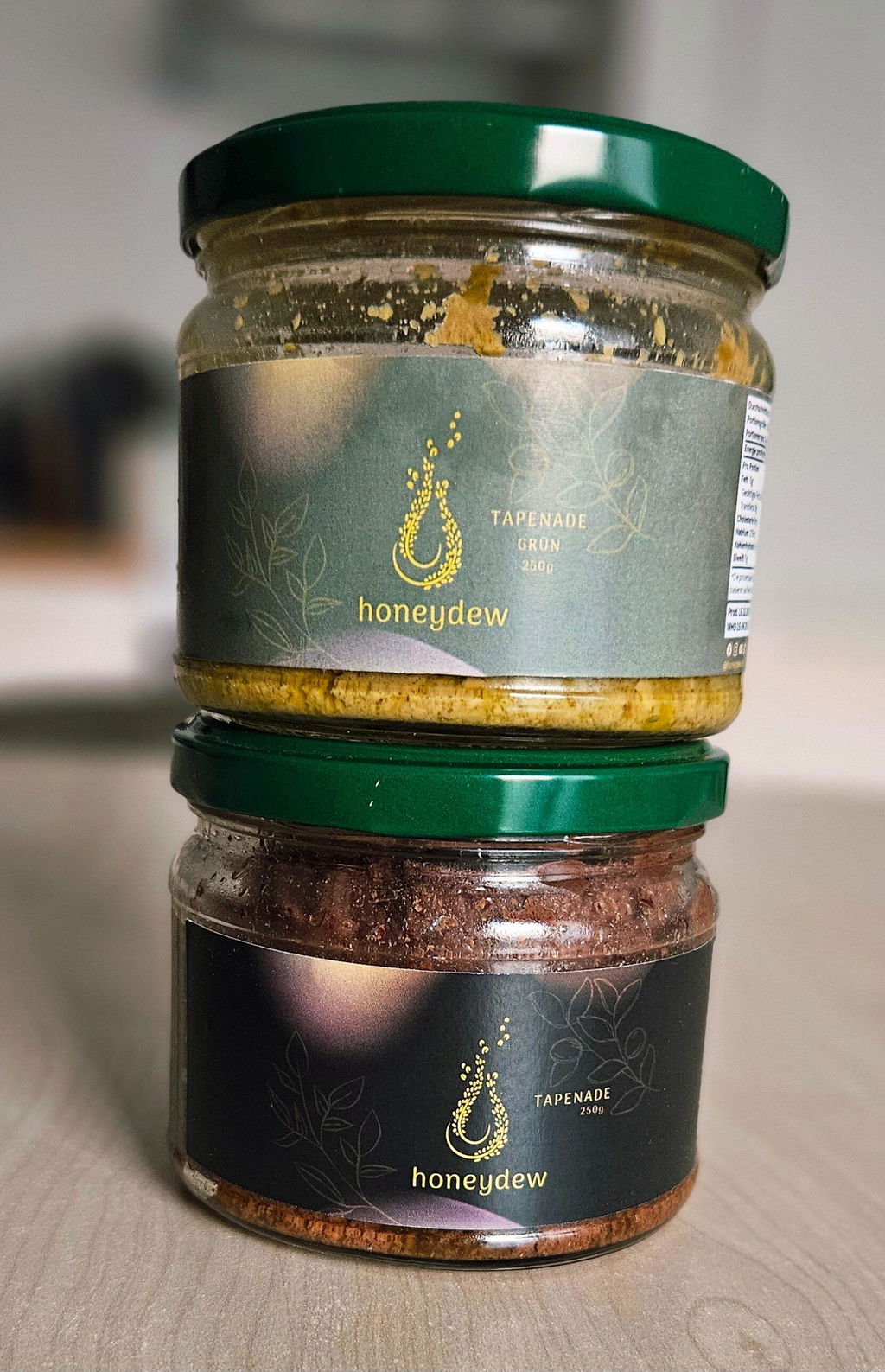
Tapenade (Green)— Lebanese Olive Paste by Honeydew
Intense olive flavor, zero additives, 100% from the olive tree. We make our tapenades from pickled olives whose skins are ~90% removed, then pickle them again in olive oil and mill to a naturally buttery, creamy paste—no acids, thickeners, or sugars. Spread on bread, finish a warm pizza, toss through pasta, fold into dressings—the options are endless.
Why Honeydew Tapenade?
- Olives + olive oil. That’s it.
- Double pickled, almost skin-free → silky texture with full-bodied taste.
- Lebanese olive craft, small-batch made—clean, intense, pure.
Taste Profile
- Taste: Fresh, herbaceous, lightly bitter with almond notes—bright and lively.
- Best for: Bruschetta, burrata, salad bowls, grilled veg, chicken; as a pizza base (under tomato) or a butter substitute on warm bread.
- Kitchen tip: Whisk 1 tbsp with a splash of pasta water → instant glossy sauce.
Facts
🌳 Ingredients & purity: 100% olive products — olives, olive oil, and sea salt (depending on harvest). No additives.
🫒 Process: Olives pickled, ~90% skin removed, re-pickled in olive oil, finely milled → naturally buttery texture.
😋 Texture:Creamy and spreadable, minimal skin flecks—ideal as spread and cooking component.
🌍 Origin & responsibility: Direct relationships with small family farmers in Lebanon; long-term, fair partnerships.
📦 Storage: After opening, cover surface with olive oil, keep cool, and consume promptly.
🍽️ Use cases: Spread, pizza base/finisher, pasta emulsifier, marinade, dressing, tapas, mezze.
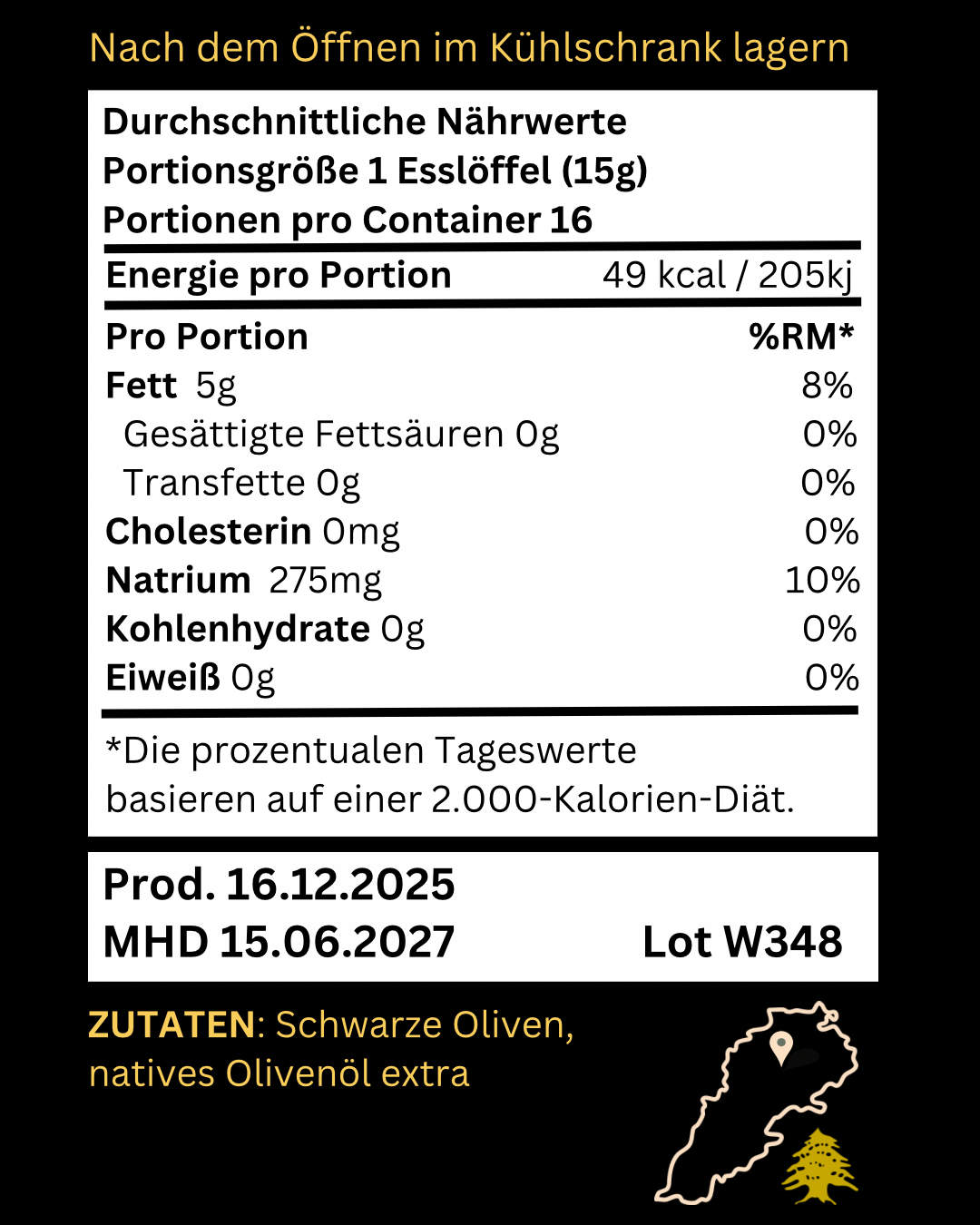
Nutritional Facts
Please See Pictures 😊
Notice
This year’s batch was harvested and packaged during a time when Lebanon was at conflict. Despite the challenges, we managed to pull through. However, we were unable to secure our usual canisters with the thickness and durability we prefer.
We pack every order with great care, but since DHL isn’t always the gentlest during shipping, your canister may arrive with some dents. Rest assured, it’s always fully usable and contains the same high-quality olive oil you know and love.
Transparency means a lot to us, and we truly appreciate your support — especially as a small family business with a big mission.
Warm regards,
Hassan & Claudia
- FAQ
- Sustainable
- Free Shipping
Couldn't load pickup availability

Origin
Between Lebanon's Mountains and the Mediterranean
Honeydew olive oil originates from Batroun, a picturesque coastal region in northern Lebanon. Here, between the Mediterranean Sea and rolling hills, olive trees have thrived for centuries in fertile, limestone-rich soil.
The Mediterranean climate, with its warm summers and gentle sea breeze, enhances the fruit’s rich aroma and exceptional quality. Each harvest reflects the deep-rooted tradition and unique terroir of Batroun – making Honeydew Olive Oil a truly unparalleled taste experience.
Taste
Taste Profile
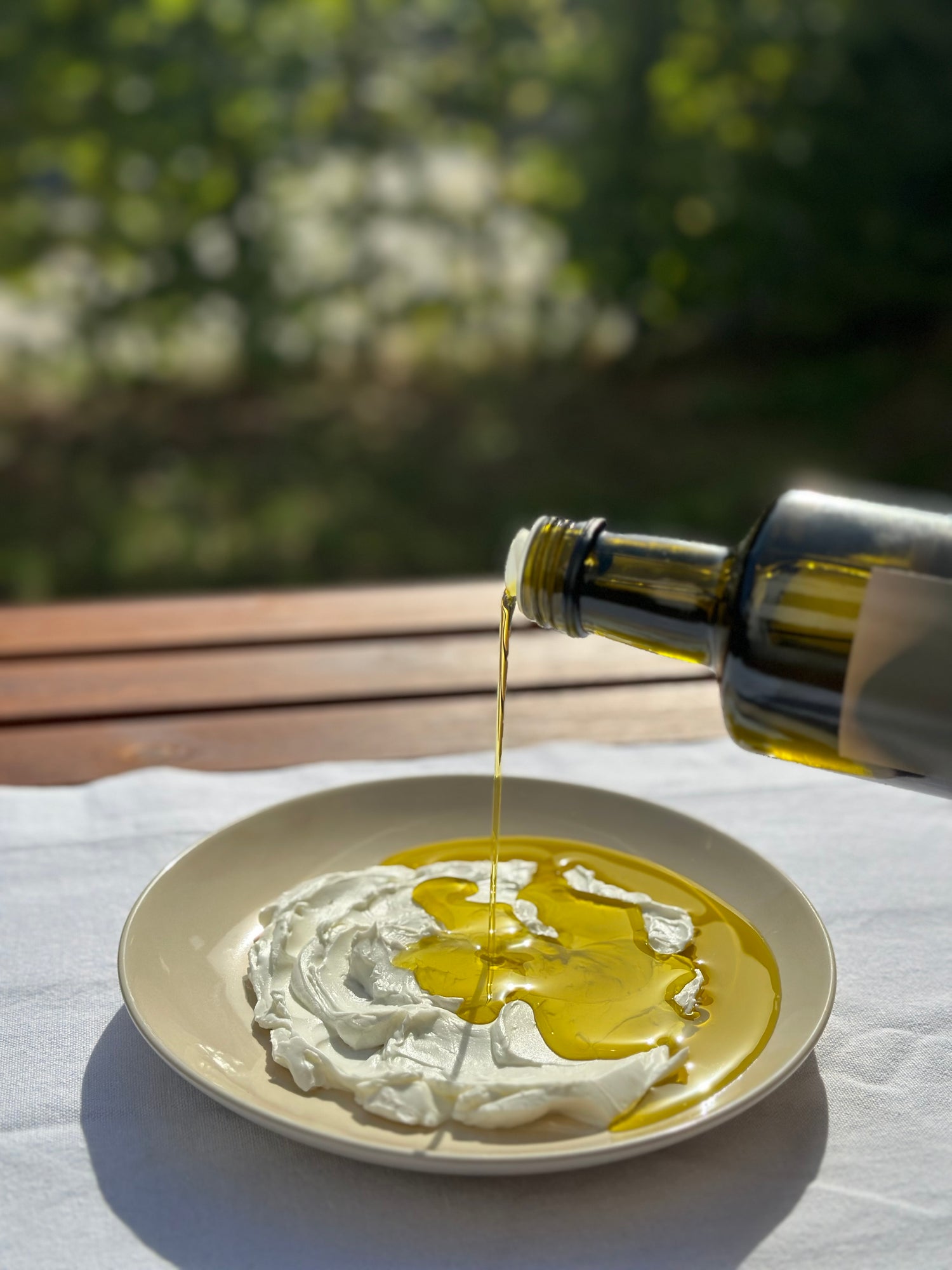
Honeydew Olive Oil unveils a complex bouquet of flavors, capturing the essence of Lebanese olive groves in every drop.
The first impression is delightfully fruity, with hints of green tomatoes and freshly cut grass. On the palate, a delicate bitterness reminiscent of tender artichokes unfolds, perfectly balanced with a subtle spiciness. The finish is smooth yet full of character – a harmonious interplay of nutty notes and a gentle peppery kick that highlights the purity and freshness of this exceptional oil.
Honeydew Olive Oil is more than just a delight – it is a true taste experience.
Customer Testimonials
Tippe auf ein Video für Ton
When are Olives harvested?
In Lebanon, olives are typically harvested between October and December. The exact timing depends on the variety and the desired ripeness of the olives. For high-quality extra virgin olive oil, the fruits are usually harvested early, while still green or slightly violet, to ensure an intense aroma and high nutrient content.
At Honeydew, November is the ideal time to harvest our olives to guarantee their full, rich flavor
What does cold-pressed olive oil actually mean?
"Cold press" refers to a method of extracting oil from olives without using high heat or chemicals. The olives are crushed, and the oil is extracted mechanically at a temperature below 27°C (80°F). This process helps preserve the natural flavors, nutrients, and antioxidants, resulting in high-quality olive oil, often labeled as extra virgin.
For olive oil, "cold pressed" and "extra virgin" hold the same meaning. If you see "extra virgin olive oil" on the label, it means the oil is cold pressed.
What is the difference between olive oil and extra virgin olive oil?
The difference between "olive oil" and "extra virgin olive oil" lies in their production process, quality, and taste:
Olive Oil
- Type: Refined or pure olive oil.
- Production: Typically a blend of refined olive oil (processed with heat or chemicals to remove impurities) and a small amount of virgin olive oil for flavor.
- Flavor: Neutral taste, less fruity or aromatic.
- Smoke Point: Higher, making it suitable for high-heat cooking.
- Nutrients: Contains fewer natural antioxidants and nutrients due to refining.
Extra Virgin Olive Oil
- Type: The highest quality olive oil.
- Production: Cold-pressed from fresh olives without the use of heat or chemicals.
- Flavor: Rich, fruity, and aromatic with a slight peppery finish.
- Smoke Point: Lower, better for drizzling, salads, or low-heat cooking.
- Nutrients: Packed with antioxidants, polyphenols, and healthy fats.
In short, extra virgin olive oil is unrefined and retains its natural flavors and health benefits, whereas regular olive oil is refined and better suited for cooking.
At what temperatures are they suitable for heating and frying?
Here are the approximate smoke points of different olive oils, which are essential for determining the right temperature for frying and heating:
Extra Virgin Olive Oil (like honeydew)
- Smoke Point: ~190°C (375°F)
- Best For: Frying at low to medium heat, drizzling, dressings, and dips.
Virgin Olive Oil
Smoke Point: ~210°C (410°F)
Best For: Frying at medium heat, sautéing, and light heating.
Pure/Refined Olive Oil
- Smoke Point: ~240°C (465°F)
- Best For: Frying at high heat, deep frying, roasting, and grilling.
General Cooking Temperature Guidelines:
- Sautéing: ~120–180°C (250–350°F)
- Frying: ~175–190°C (350–375°F)
- Baking: ~180–200°C (350–400°F)
Always keep the smoke point of the oil in mind to avoid burning and to preserve flavor and nutrients when heating or frying.
What is the significance of olive oil acidity and how is it tested?
At honeydew we have been maintaining an acidity level of < 0.3% for years!
But what does that actually mean?
The acidity level of olive oil is a critical measure of its quality and freshness. Here's its significance and how it is tested:
Significance of Olive Oil Acidity
- Quality Indicator: Acidity reflects the amount of free fatty acids present, which indicates how much the oil has degraded. Lower acidity levels mean higher-quality oil.
- Extra Virgin Olive Oil: Must have an acidity of less than 0.8%.
- Virgin Olive Oil: Acidity ranges between 0.8% and 2%.
- Taste and Flavor: High acidity can lead to a rancid or unpleasant taste, while low acidity contributes to a smoother, fresher flavor.
- Freshness: Acidity increases when olives are damaged, overripe, or processed poorly, signaling a lack of freshness.
- Health Benefits: Lower acidity oils often retain more antioxidants and beneficial compounds.
How is Acidity Tested?
- Chemical Analysis: Acidity is measured in a laboratory using a process called titration, which determines the percentage of free fatty acids (oleic acid) in the oil.
** Sensory Testing gives no indication of the acidity.
**Label Verification: Acidity should typically be listed on the product label for high-quality olive oils, especially extra virgin.
What should I consider when choosing a high-quality olive oil?
When selecting high-quality olive oil, you should focus on taste and quality.
- Taste: Olive oil generally falls into two main categories:
- Quality: The most critical aspect is ensuring the oil is pure and has a low acidity level (<0.8%). Low acidity indicates that the oil was produced from fresh olives and with a clean process, qualifying it as "cold-pressed extra virgin." However, not all olive oils labeled "Extra Virgin" or "Bio" meet these standards. Many brands lack transparency, particularly about acidity levels or pesticide residues.
Even within Europe, regulations and audits for these labels can be inconsistent.
To ensure you’re getting the best, look for:
- Transparent brands: Those that provide test results showing low acidity and minimal pesticide levels.
- Non-EU sources: Olive oils from countries like Lebanon often undergo stricter testing before being imported to Europe.
For example we at honeydew, offer family-made olive oil sourced from Lebanon with an acidity of <0.3% (extremely rare). Their production process is powered by solar energy, and they openly share test results proving minimal pesticide residues. Additionally, they support children with Down syndrome through their revenues—a perfect blend of quality, sustainability, and social responsibility.
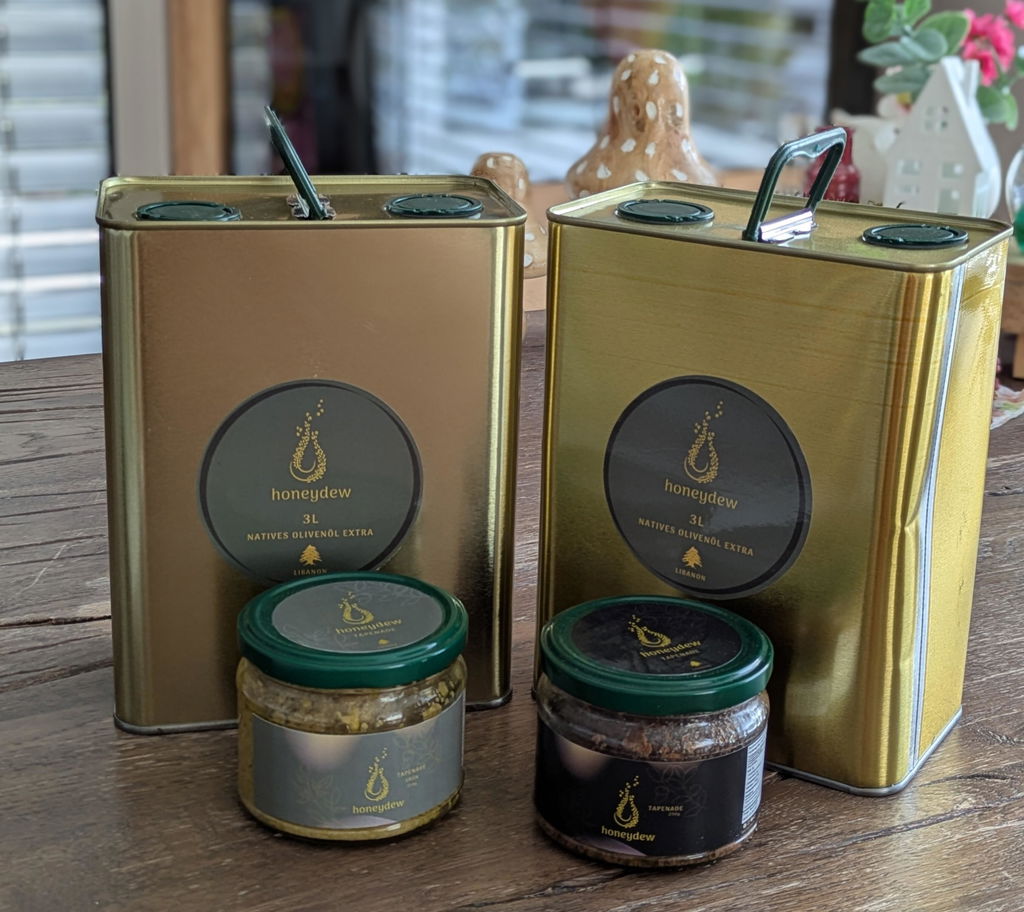
Die Oliven-Tapenaden in Schwarz und Grün sind einfach absolute Spitzenklasse! Der Geschmack ist wirklich top notch – purer, intensiver Olivengenuss in perfekter Pasteform.
Die schwarze Tapenade ist wunderbar vollmundig und aromatisch, richtig kräftig im Geschmack. Die grüne dagegen hat eine tolle Tiefe und diese leicht bittere Note, genau so, wie eine gute Oliventapenade sein sollte. Beide Varianten schmecken unglaublich hochwertig und authentisch.
Für mich eine ganz klare Weiterempfehlung! Ob zum Frühstück, Abendbrot oder einfach auf frischem Brot zwischendurch – einfach der Hammer. Sogar die Kinder lieben sie. Wirklich mit Abstand eine der besten Oliventapenaden, die ich je probiert habe!